PDA TR61权威解读:制药SIP在线灭菌合规与风险管控指南
PDA TR61权威解读:制药SIP在线灭菌全流程合规与风险管控指南
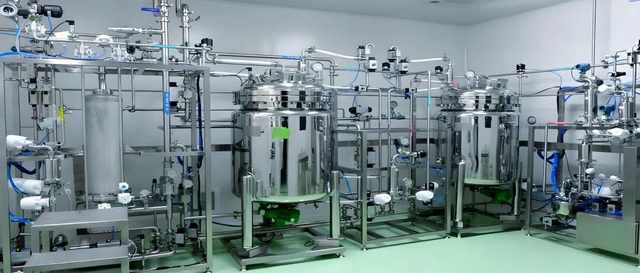
摘要
2026年7月12日,制药工程论坛发布了对PDA技术报告TR61的权威解读,聚焦制药在线灭菌(SIP)全流程的合规与风险管控。解读涵盖SIP设计、验证、操作及监测的关键要求,强调基于风险的决策和工艺参数控制,为制药企业实施SIP提供技术指导。
AI 主编 · 推荐理由推荐理由
SIP是无菌药品生产的关键环节,TR61解读为注册、质量及生产部门提供合规操作框架,建议相关企业对照指南审查现有SIP流程,确保符合最新监管预期。
五维评分
正文
In aseptic pharmaceutical manufacturing, Steam-in-Place (SIP) is the core process to maintain the sterility of critical equipment including liquid pipelines, storage tanks, filtration systems, and bioreactors. It is also a high-frequency inspection focus in GMP audits. In recent years, regulatory authorities worldwide have frequently identified SIP-related deficiencies, including unqualified pipeline slope, uncontrolled filter pressure differential, insufficient sterilization at cold spots, physical mapping without biological challenges, and secondary contamination caused by off-line sterilization and assembly. Many pharmaceutical enterprises have faced rectification and production suspension risks accordingly.
在无菌制药生产中,SIP在线饱和蒸汽灭菌是保障药液管道、储罐、过滤系统、生物反应器等核心设备无菌状态的核心工艺,也是GMP审计的高频核查重点。近年来,国内外药监检查频发SIP相关缺陷:管道坡度不达标、滤芯SIP压差失控、冷点灭菌不充分、仅做物理测温无生物挑战、离线灭菌装配二次污染等,诸多企业因此遭遇整改、停产风险。
Based on PDA TR61 (the world’s exclusive dedicated SIP technical report), Chinese Pharmacopoeia 2025, EU GMP Annex1 2022, NMPA sterilization validation guidelines, and combined with technical specifications of mainstream filter manufacturers (e.g., Cobetter Purcise™ SLEB series), this article systematically elaborates the full-process compliance system of SIP from six dimensions: basic principles, hardware compliance, process development, validation practice, risk control, and audit avoidance. It balances professional theories and on-site operability, serving as an essential reference for pharmaceutical QA, process, validation and engineering personnel.
本文依托PDA TR61全球唯一SIP专项技术报告、《中国药典2025版》、EU GMP Annex1 2022、NMPA灭菌工艺指导原则,结合科X特Purcise™ SLEB除菌滤芯等主流设备厂商技术参数,从底层逻辑、硬件合规、工艺开发、验证实操、风险管控、审计避坑六大维度,系统拆解SIP全流程合规体系,兼顾理论专业性与现场实操性,是制药QA、工艺、验证、设备人员必备干货。
01 Basic Cognition: SIP Definition, Sterilization Mechanism & Regulatory Positioning
核心认知:SIP定义、灭菌逻辑与合规定位
1.1 SIP Definition & Core Advantages
SIP基础定义与核心优势
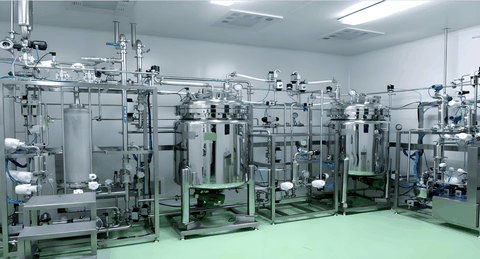
SIP (Steam-in-Place) refers to in-situ saturated steam sterilization. It introduces high-purity saturated steam into closed production systems without equipment disassembly or transfer, kills bacteria, fungi, spores and removes endotoxins on inner surfaces through moist heat, and maintains a positive-pressure sterile barrier after sterilization.
SIP(Steam-in-Place)即原位在线饱和蒸汽灭菌,无需设备拆卸、转移,直接对密闭生产系统通入高纯饱和蒸汽,通过高温湿热作用杀灭系统内壁细菌、真菌、芽孢及去除内毒素,灭菌后维持系统正压无菌屏障。
English: Typical application scenarios cover the whole aseptic production chain: sterile preparation/storage tanks, complete liquid filtration pipelines and filter housings, vent filters, lyophilizer chambers and shelves, bioreactors, sampling valves, and WFI distribution circulation pipelines.
核心应用场景覆盖无菌生产全链条:无菌配液/储液罐、药液过滤整套管路与滤壳、呼吸器、冻干机腔体与板层、生物反应器、取样阀、WFI注射用水循环管路等。
Compared with off-line autoclave sterilization, SIP features fully closed operation, zero manual intervention, no secondary contamination, and adaptability to continuous aseptic production. However, its structural complexity easily causes air retention and condensate accumulation to form "cold spots", which are the key difficulties in SIP validation.
相较于离线灭菌柜,SIP具备全程密闭、无人工干预、零二次污染、适配连续化无菌生产的核心优势;但其工艺难点突出,系统结构复杂易积存空气与冷凝水形成“冷点”,是验证工作的核心管控要点。
1.2 Sterilization vs Sanitization: High-Frequency Audit Differentiation
灭菌vs消毒:审计高频区分考点
PDA TR61明确界定:SIP并非单一灭菌工艺,分为灭菌级与消毒级两类,二者合规要求、验证标准天差地别,是GMP审计高频缺陷点。
Comparison Item 对比维度 | SIP Sterilization (High-Risk System) SIP灭菌(高风险系统) | SIP Sanitization (Low-Risk System) SIP消毒(低风险系统) |
|---|---|---|
Application Scenario 适用场景 | Direct contact with sterile liquid drugs, sterile powder, filling terminals, bioprocess systems and other core processes直接接触无菌药液、无菌粉末、灌装终端、生物反应系统等核心工艺 | WFI circulation pipelines, pretreatment auxiliary pipelines (final products undergo re-sterilization)WFI供水循环管路、预处理辅助管路(终端产品后续再灭菌) |
Sterility Assurance Level 无菌保证水平 | SAL≤10⁻⁶ (mandatory compliance standard)SAL≤10⁻⁶(强制合规标准) | Only reduce bioburden, no mandatory sterility indicator仅降低生物负荷,无强制无菌指标 |
Minimum F₀ Requirement F₀最低标准 | Cold spot F₀≥12min (overkill approach, mandatory for high-risk systems per EU GMP)冷点F₀≥12min(过度杀灭法,EU GMP高风险强制要求) | No mandatory F₀ threshold, only temperature control required无强制F₀底线,仅做温度管控 |
Validation Content 验证内容 | Temperature distribution + heat penetration + F₀ integration + BI microbiological challenge (all four items mandatory)热分布+热穿透+F₀积分+BI微生物挑战(四项缺一不可) | Only physical temperature mapping, no biological indicator validation required仅物理温度测绘,无需生物指示剂验证 |
Simple Judgment Logic: All systems directly involved in finished sterile production without subsequent re-sterilization must adopt SIP sterilization; pretreatment auxiliary systems with terminal re-sterilization can adopt SIP sanitization after risk assessment.
简易判定逻辑:但凡直接参与无菌成品生产、无后续灭菌工序的系统,必须按SIP灭菌执行;仅前期预处理、终端可二次灭菌的辅助系统,经风险评估后可按消毒管控。
1.3 Moist Heat Sterilization Mechanism & Key Influencing Factors
湿热灭菌底层致死原理与核心影响因素
1. No non-condensable air: 5% residual air in the system reduces sterilization efficiency by 90%, serving as the primary cause of cold spots;
无不可凝空气:系统内残留5%空气即可降低90%灭菌效率,是冷点形成的首要诱因;
2. Saturated steam purity: Superheated or dry steam contains no latent heat and completely loses sterilization capacity;
饱和蒸汽纯度:干热、过热蒸汽无潜热,完全丧失灭菌能力;
3. Timely condensate removal: Accumulated condensate forms a low-temperature isolation layer, leading to insufficient local F₀ accumulation and sterilization failure.
冷凝水及时排出:积水形成低温隔离层,导致局部F₀累积不足,灭菌失效。
1.4 Core Regulatory Framework (Domestic & International Standards)
核心合规法规体系(国内外权威标准)Domestic Regulations
国内法规
1. GMP (2010 Revision) Appendix 1: All sterilization processes shall be validated to ensure SAL≤10⁻⁶;
《药品生产质量管理规范(2010修订)附录1》:明确所有灭菌工艺需验证,保证SAL≤10⁻⁶;
2. NMPA Guidelines for Sterilization & Aseptic Process Research of Injectables (2020): Defines F₀ criteria and cold spot control requirements for moist heat sterilization;
NMPA《注射剂灭菌和无菌工艺研究及验证指导原则(2020)》:界定湿热灭菌F₀判定标准、冷点管控要求;
3. Chinese Pharmacopoeia 2025 Volume IV Sterilization General Chapter: Standardizes thermodynamic rules and biological indicator specifications for moist heat sterilization.
《中国药典2025版四部 灭菌法》:规范湿热灭菌热力学规则、生物指示剂选用标准。International Guidelines
国际权威指南
1. PDA TR61: The global exclusive dedicated SIP technical report, core audit reference, regulating cycle development, BI placement and grouped validation;
PDA TR61:全球SIP领域唯一专项技术报告,审计核心参考,规范循环开发、BI布点、分组验证全流程;
2. EU GMP Annex1 (2022): Mandates overkill sterilization (F₀≥12min) for high-risk aseptic systems;
EU GMP Annex1(2022):高风险无菌系统强制过度杀灭,F₀≥12min;
3. ASME BPE: Mandatory criteria: dead leg L/D≤2, pipeline slope≥1% to avoid air/condensate retention.
ASME BPE:硬性规定管道盲管L/D≤2、管道坡度≥1%,杜绝积液积气。
02 Process Development: FMEA Risk Assessment + Hardware Compliance + Standard SIP Cycle
工艺开发:FMEA风险评估+硬件合规+标准SIP循环
80% of SIP validation failures result from inadequate pre-process development. Skipping risk assessment and hardware compliance verification before PQ implementation easily causes cold spot non-compliance, filter damage and sterility failure.
SIP验证失败80%源于前期工艺开发缺失,跳过风险评估与硬件合规核查直接开展PQ验证,极易出现冷点不达标、滤芯破损、无菌失效等问题。
2.1 Four High-Risk FMEA Scenarios & Mitigation Measures
FMEA四大高风险场景及整改措施
In accordance with PDA TR61 risk control requirements, four failure risks shall be identified and mitigated for SIP systems:
依据PDA TR61风险管控要求,SIP系统需提前识别四大失效风险,针对性落地防控措施:
1. Structural Risk: Excessive dead legs, no high/low-point venting, condensate accumulation in filter housings, valve dead zones; Mitigation: Control L/D≤2, install automatic high-point vents and continuous low-point steam traps;
结构风险:盲管过长、无高低点排气、滤壳积冷凝水、阀门死腔;整改:严控L/D≤2,高低点增设自动排气阀、低点连续疏水装置;
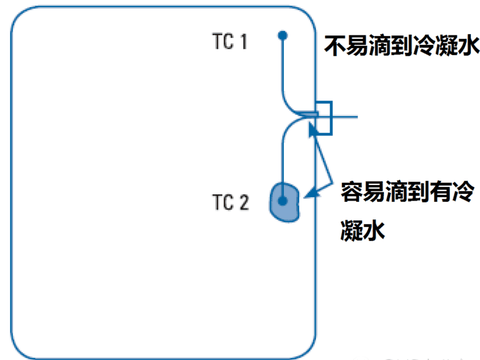
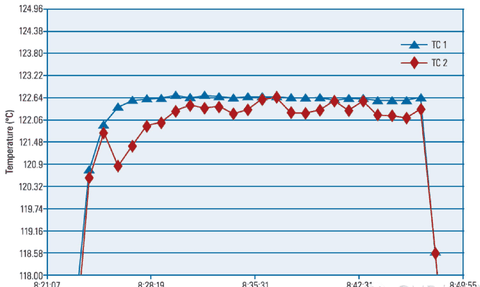
2. Medium Risk: Substandard pure steam dryness, drastic pressure fluctuation; Mitigation: Install upstream pressure regulator, monitor steam purity in real time to avoid superheated/dry steam;
介质风险:纯蒸汽干度不达标、压力大幅波动;整改:前端加装稳压阀,实时监测蒸汽纯度,规避过热/干蒸汽;
3. Operational Risk: Insufficient heating purging, negative pressure air inhalation during cooling;Mitigation: Optimize purging sequence, maintain 0.1~0.3bar positive pressure throughout cooling;
操作风险:升温吹扫不足、冷却阶段负压倒吸空气;整改:优化吹扫时序,冷却全程维持0.1~0.3bar正压;
4. Monitoring Risk: Blind cold spots without sensors, out-of-calibration instruments; Mitigation: Install permanent cold-point sensors, implement dual-point instrument calibration (deviation≤±0.5℃).
监控风险:探头未覆盖冷点、仪表超校准期;整改:冷点增设永久监测探头,仪表定期双点校准(偏差≤±0.5℃)。
2.2 Mandatory Hardware Compliance Standards (GMP Key Inspection Items)
硬件合规硬性设计标准(GMP必查)
1. Pipeline Layout: Slope≥1% (1/8 inch per foot), no U-shaped liquid traps, dead leg L/D≤2; automatic high-point vents and sanitary float steam traps at low points;
管道布局:管道坡度≥1%(每英尺1/8英寸),无U型存液弯,盲管L/D≤2;独立高点配自动排气阀,低点配卫生级浮球疏水阀;
2. System Structure: Dual upper/lower vent & drain for tanks and filter housings; filter installation without steam flow obstruction; agitator shafts and sampling valves fully included in SIP scope;
系统结构:罐体、滤壳设置上下双排气疏水,滤芯安装不遮挡蒸汽流通,搅拌轴、取样阀全部纳入SIP灭菌范围;
3. Material Requirement: 316L stainless steel (Ra≤0.5μm) for product-contact parts; EPDM/PTFE seals resistant to 135℃ saturated steam;
材质要求:接触介质部件采用316L不锈钢(Ra≤0.5μm),密封件选用EPDM/PTFE,耐受135℃饱和蒸汽;
4. Protection Design: 0.22μm hydrophobic vent filter at exhaust ports; heat tracing for low-temperature zones to eliminate condensate accumulation.
防护设计:排气端配置0.22μm疏水呼吸器,低温区域增设伴热装置,杜绝冷凝水堆积。
2.3 Four Standard SIP Cycle Stages & Precision Parameters 2.3 标准SIP四大循环阶段(参数精准管控)
A fully compliant SIP process consists of four sequential stages; any parameter deviation will cause validation failure:
完整合规SIP流程分为四阶段,参数偏差直接导致验证不合格:
Stage 1: Pre-SIP Integrity Pressure Test (Mandatory for High-Risk Systems): Pressurize the system to 1.5bar, stabilize for 5min, then hold pressure for 10min. Acceptance criterion: pressure drop≤0.2bar within 10min to eliminate air leakage risks.
阶段1:预完整性压力测试(高风险必选):系统加压1.5bar,稳定5min后保压10min,合格标准:10min压降≤0.2bar,提前排查漏气、进气隐患;
Stage 2: Heating & Air Displacement (Sterilization Decisive Step): Gravity displacement for conventional tanks/pipelines (steam inlet at high points, condensate drain at low points); vacuum pulse displacement for complex manifolds/lyophilizers to remove dead-space air. Acceptance criterion: saturated steam matching at all monitoring points with temperature difference≤1℃.
阶段2:升温空气置换(灭菌成败核心):常规系统采用重力置换(高点进蒸汽、低点排凝),复杂歧管/冻干系统采用真空脉冲置换,多次抽真空-通蒸汽排尽死角空气;判定标准:全点位温压匹配饱和蒸汽,温差≤1℃;
Stage 3: Sterilization Holding (F₀ Accumulation Core): Standard condition: 121℃ (2.02bar saturated steam pressure), holding temperature 121~124℃, minimum cold-point F₀≥12min, no negative pressure allowed throughout the stage.
阶段3:灭菌保温保持(F₀累积核心):标准工况121℃(对应饱和蒸汽压力2.02bar),保温区间121~124℃,严控冷点F₀≥12min,全程禁止负压;
Stage 4: Positive-Pressure Cooling & Drying: Cut off steam supply, introduce 0.22μm filtered dry nitrogen/clean compressed air, maintain continuous positive pressure, cool down to ≤90℃, and purge residual condensate to prevent negative-pressure contamination.
阶段4:正压冷却干燥:切断蒸汽,通入0.22μm过滤干燥氮气/洁净压缩空气,全程维持正压,冷却至≤90℃,吹扫去除内壁冷凝水,杜绝负压倒吸污染。
03 Key Special Control: Filter Differential Pressure Management in SIP
关键专项:过滤器SIP压差管控(PDA TR61+滤芯参数双重佐证)
Sterile filters are the most vulnerable and failure-prone components in SIP systems. Uncontrolled differential pressure is the primary cause of filter damage and sterile barrier failure. Both PDA TR61 and mainstream filter manufacturer specifications mandate strict differential pressure control.
除菌过滤器是SIP系统最易损坏、最易灭菌失效的核心部件,压差失控是滤芯破损、无菌屏障失效的首要原因,PDA TR61及国内滤芯厂商技术规范均将压差管控列为强制性要求。
3.1 Definition of Differential Pressure
压差核心定义
Filter differential pressure = upstream steam pressure − downstream steam pressure. It directly reflects steam permeability through the filter cartridge and serves as the core operational indicator. Stable pressure difference = smooth steam flow; sudden pressure surge = filter clogging, water locking and steam penetration failure.
过滤器压差=上游蒸汽压力-下游蒸汽压力,直接反映蒸汽穿过滤芯的通畅性,是滤芯运行状态的“核心生命体征”。压差平稳=蒸汽流通正常;压差骤升=滤芯堵塞、锁水、蒸汽无法穿透。
3.2 Mechanism of Pressure Surge in Wet Filters (Capillary Force Effect) 3.2 湿滤芯压差飙升的底层原理(毛细力效应)
PDA TR61 Clause 4.3.1 clarifies that filter dry/wet status dominates differential pressure controllability. 0.22μm hydrophilic PES sterile filters (e.g., Purcise™ SLEB series) possess micro-pores with strong capillary water-locking force up to 0.3MPa, far exceeding the conventional SIP steam pressure of 0.1~0.15MPa.
PDA TR61 4.3.1章节明确:滤芯干湿状态直接决定压差可控性。0.22μm亲水PES除菌滤芯(如Purcise™ SLEB系列)微孔极小,湿膜状态下会产生极强毛细锁水效应:毛细力可达到0.3MPa,远超SIP常规0.1~0.15MPa的蒸汽压力。
Steam cannot extrude liquid water from micro-pores, forming a gas-liquid barrier that causes upstream pressure accumulation and drastic differential pressure rise. This not only creates sterile cold spots with no steam penetration but also leads to filter overload damage.
蒸汽无法挤除微孔内液态水,形成气液阻隔层,导致蒸汽在滤芯上游堆积升压,压差急剧飙升,不仅造成滤芯局部无蒸汽穿透、灭菌冷点,还会引发滤芯受力过载。
3.3 High-Temperature Material Degradation Risk of Filter Membrane 3.3 高温滤芯材质特性风险
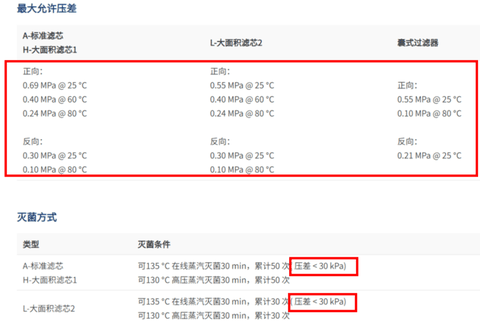
PES membrane maintains stable strength at room temperature but softens and reduces toughness under 121~135℃ steam, resulting in significantly decreased pressure resistance. Based on Cobetter Purcise™ SLEB official technical data:
常温下PES滤膜强度稳定,但在121~135℃高温蒸汽环境下,滤膜软化、韧性大幅下降,耐压极限显著降低。结合科X特Purcise™ SLEB滤芯官方参数:
1. Standard/Large-Area-1 filter: forward pressure resistance 0.69MPa at 25℃, only 0.24MPa at 80℃;
标准/大面积1滤芯:25℃正向耐压0.69MPa,80℃仅0.24MPa;
2. Large-Area-2/Capsule filter: lower high-temperature resistance, only 0.10MPa forward pressure tolerance at 80℃.
大面积2滤芯/囊式过滤器:高温耐压更低,80℃正向耐压仅0.10MPa;
Excessive differential pressure under high temperature causes irreversible membrane deformation, tearing and breakage, leading to permanent sterile barrier failure. Post-SIP integrity testing cannot completely eliminate process contamination risks. In addition, service life limits shall be complied with: Purcise™ SLEB standard filters allow maximum 50 cumulative SIP cycles, Large-Area-2 filters allow 30 cycles. Over-service usage causes membrane aging and performance attenuation, a common on-site compliance loophole.
高温下压差一旦超限,会直接导致滤膜变形、撕裂、破损,造成不可逆无菌屏障失效,且灭菌后完整性测试无法完全规避工艺污染风险。同时补充滤芯灭菌次数合规要求:科百特Purcise™ SLEB系列滤芯可耐受多次蒸汽灭菌,标准/大面积1滤芯可累计SIP灭菌50次,大面积2滤芯累计30次,囊式过滤器灭菌次数按型号区分,超次数使用会导致膜材老化、耐压及除菌性能衰减,属于现场常见合规漏洞。
3.4 Compliance Basis & On-Site Implementation Requirements
合规管控依据与落地要求
1. PDA TR61: Strictly control temperature and differential pressure during SIP, minimize condensate accumulation, and fully comply with manufacturer specifications to ensure filter integrity;
PDA TR61:SIP过程中必须严控温度、压差,减少冷凝水堆积,严格遵循滤芯厂商参数规范,保障滤芯完整性;
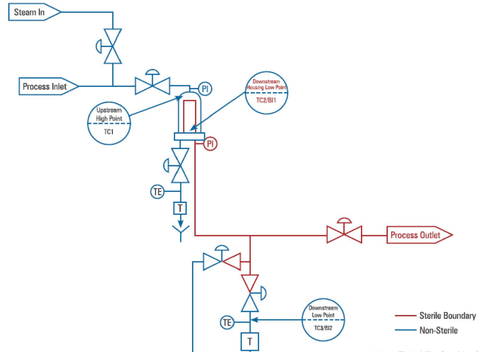
2. Guidelines for Sterile Filtration Technology & Application: The filter differential pressure throughout SIP shall not exceed the maximum temperature-specific pressure tolerance specified by the manufacturer;
《除菌过滤技术及应用指南》:SIP全过程滤芯上下游压差,不得超过对应温度下滤芯最大耐受压差;
3. Operational Requirement: Adopt gradient pressure rise during heating, drain condensate timely via low-point traps, avoid membrane water locking and pressure surge, and monitor differential pressure curves in real time.
实操要求:升温阶段缓慢进气、梯度升压,通过低点疏水阀及时排凝,杜绝湿膜锁水与压差骤升,全程实时监控压差曲线。
04 Condensate & Vent System: Core Guarantee for Uniform SIP Sterilization
疏水排气系统:SIP灭菌均匀性的核心保障
PDA TR61 emphasizes that 90% of SIP sterilization failures stem from residual air and condensate accumulation. Proper steam trap selection and layout are critical to eliminating cold spots.
PDA TR61强调:SIP灭菌失效90%源于空气残留与冷凝水堆积,合理的疏水阀选型与布局是解决冷点问题的关键。
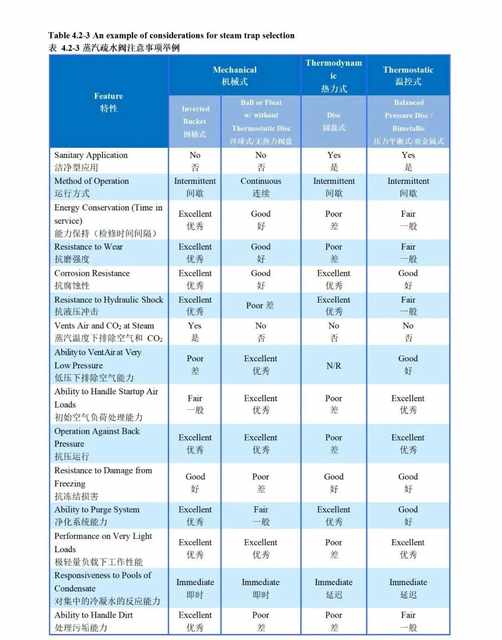
4.1 Three Types of Steam Traps & Applicable Scenarios (ISO 6704)
三类疏水阀适配场景(ISO 6704标准)
1. Mechanical Traps (Float/Inverted Bucket): Operate via density difference between steam and condensate, realize continuous draining and automatic air venting; suitable for conventional pipelines and filter low points (mainstream selection for SIP systems);
机械式疏水阀(浮球/倒吊桶式):依靠蒸汽与冷凝水密度差工作,精准连续排凝、自动排气,适配管道、滤壳低点等常规点位,是SIP系统主流选型;
2. Thermostatic Traps: Activate by medium temperature change, discharge low-temperature condensate precisely; suitable for tank branch pipelines with stable temperature;
温控式疏水阀(热静力式):感应介质温度变化启闭,适配温度波动小的罐体支路,可精准排出低温冷凝水;
3. Thermodynamic Traps: Driven by flash steam, compact structure; suitable for narrow pipelines and terminal branches with limited space.
热力式疏水阀(热动力式):依托闪蒸蒸汽驱动,结构紧凑,适配狭小管路、末端支管等空间受限点位。
4.2 Core Layout Principles 布局核心原则
05 Full-Process Validation Practice: DQ/IQ/OQ/PQ Four-Stage Qualification
全流程验证实操:DQ/IQ/OQ/PQ四级确认
GMP mandates that all SIP systems must complete DQ (Design Qualification) → IQ (Installation Qualification) → OQ (Operational Qualification) → PQ (Performance Qualification) and pass all stages before formal production.
GMP强制要求:SIP系统必须完成DQ设计确认→IQ安装确认→OQ运行确认→PQ性能确认四级验证,全部合格方可投入生产。
5.1 DQ Design Qualification (Pre-Project Core) 5.1 DQ设计确认(前期核心)
Review URS, system drawings, steam load and monitoring schemes; verify compliance of pipeline layout, vent/drain design and filter selection; rectify design defects in advance and issue complete DQ reports & defect tracking records.
审核URS需求、系统图纸、蒸汽负荷、监测方案,核查管道布局、疏水排气设计、滤芯选型合规性,提前整改设计缺陷,输出完整DQ报告与缺陷追踪记录。
5.2 IQ Installation Qualification (Hardware Compliance Verification) 5.2 IQ安装确认(硬件落地核查)
1. Material verification: Check 316L stainless steel roughness and seal high-temperature resistance certificates;
材质核查:316L不锈钢粗糙度、密封件耐温证书核对;
2. Dimension verification: Measure and record pipeline slope and dead leg L/D values;
尺寸核查:实测管道坡度、盲管L/D尺寸,留存数据;
3. Instrument verification: Dual-point calibration for thermocouples and pressure gauges (deviation≤±0.5℃);
仪表核查:热电偶、压力表双点校准(偏差≤±0.5℃);
4. System verification: Pure steam quality test, vent filter bubble point test, pipeline endoscopic welding inspection, valve interlock acceptance.
系统核查:纯蒸汽质量、呼吸器气泡点测试、管路焊接内窥镜检查、阀门联锁验收。
5.3 OQ Operational Qualification (No-Load Functional Test)
OQ运行确认(空载功能验证)
No microbiological tests are involved. Verify SIP sequence logic, pressure integrity, vacuum pulse, temperature/pressure alarm and interlock shutdown functions. Retain complete cycle curves to ensure zero system defects before PQ.
不开展微生物试验,仅验证SIP程序时序、保压完整性、真空脉冲、温压报警、联锁停机功能,留存完整循环曲线,确保系统功能无缺陷,为PQ验证铺垫。
5.4 PQ Performance Qualification (Core Compliance Stage)
PQ性能确认(核心合规环节)
PQ consists of physical validation and microbiological challenge validation. Both are mandatory, with three consecutive successful test runs required for final approval.
PQ分为物理验证与生物挑战验证,二者缺一不可,连续3次试验合格方可通过。
1. Physical Validation (Cold Spot Confirmation)
物理验证(锁定冷点)
① No-load temperature mapping: Sensors cover all high/low points, filter housings, dead legs and steam traps. Acceptance: overall temperature difference≤2℃ during holding phase, theoretical cold spots marked;
空载热分布:无设备装载,探头全覆盖高低点、滤壳、盲管、疏水阀,合格标准:保温全点温差≤2℃,标记理论冷点;
② Full-load heat penetration: Simulate maximum production load, place sensors at hardest-to-sterilize positions (filter interior, tank bottom). Acceptance: consistent cold spot recurrence across three runs, minimum cold-point F₀≥12min;
满载热穿透:模拟最大生产装载,探头置于滤芯内部、罐体底部等最难灭菌位置,合格标准:三次试验冷点重现性一致,冷点F₀≥12min;
③ F₀ calculation criteria: Adopt standard integral formula F₀=∫₀ᵗ 10^[(T-121)/10]dt with real-time automatic system integration; manual post-calculation is prohibited. All data complies with ALCOA+ principles.
F₀积分要求:采用标准公式F₀=∫₀ᵗ 10^[(T-121)/10]dt,系统实时自动积分,杜绝人工补算,数据全程符合ALCOA+原则。
2. Microbiological Challenge Validation (Final Sterilization Proof)
生物挑战验证(终极灭菌有效性证明)
PDA TR61 clarifies that temperature curves alone cannot prove sterilization lethality. All sterilization-grade SIP systems require mandatory BI challenge tests.
PDA TR61明确:仅温度曲线无法证明灭菌杀伤力,灭菌级SIP必须配套BI微生物挑战试验。
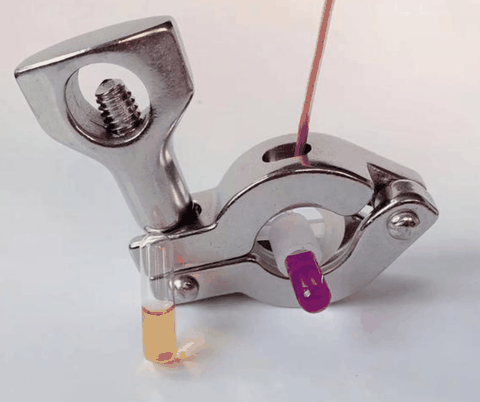
① Indicator selection: Geobacillus stearothermophilus with D₁₂₁≥1.5min and initial spore concentration 1×10⁶CFU/unit. Mesh-carrier BI is preferred; self-contained glass BI is prohibited for narrow pipelines;
指示剂选型:嗜热脂肪地芽孢杆菌,D₁₂₁≥1.5min,初始孢子1×10⁶CFU/支,优先选用网状载体BI,狭小管路禁用自含式玻璃BI;
② Placement rules: Deploy BI at all physically verified cold spots, filter interiors, housing bottoms, drainage low points and dead legs. Place BI adjacent to temperature sensors with loose fixation to avoid steam blockage and condensate accumulation;
布点规则:所有物理验证锁定冷点、滤芯内部、滤壳底部、疏水低点、盲管必须布点,BI与温度探头紧邻,松散固定不遮挡蒸汽、不积存冷凝水;
③ Acceptance criteria: Incubate at 55~60℃ for 7 days. All BIs show no growth with valid positive/negative controls. Three consecutive test runs must be fully qualified to eliminate experimental errors.
判定标准:灭菌后55~60℃恒温培养7天,全部BI无菌生长、阳性对照正常浑浊,三次连续试验全部合格。同时需严格落实阴阳对照试验,阴性对照无杂菌污染,确保培养结果真实有效,杜绝试验误差。
BI Type BI 类型 | BI Descrip tion BI 描述 | Pros 优点 | Cons 缺点 |
Spore Suspension 孢子混悬液 | Suspension of spores of known D-value, population, and z-value inoculated onto an item or coupon 已知 D 值,浓度, Z 值的孢子混悬液接种到条上或器具上 | • Allows direct inoculation of components (e.g., filters, tubing) being sterilized 可以直接接种到被灭菌部件上(例如滤芯、管道) • Does not obstruct steam, air or condensate flow 不会阻止蒸汽、空气或者冷凝物流动 | • Inoculation and recovery method more difficult 接种和回收率方法比较难 • Surviving spores can cause contamination 存活的孢子可能导致污染 • D-value needs to be measured with the coupon or item D 值需要协同条或物件计算 • Introduction of open spore suspensions into a manufacturing facility may present significant regulatory, logistical or product safety issues 开放的孢子混悬液接种到生产厂房设施上可能导致严重的法规、逻辑或产品安全问题
|
Self-contained BI* 自含式生物指示剂 | Growth medium contained inside the primary packaging for the indicator 指示剂内包材里面有培养基 | • Convenient packaging 包装方便 • Eliminates aseptic manipulation of the indicator strip, which can lead to indicator contamination(i.e., false positives) 省去了去除指示剂的无菌操作,这种操作可能引起指示剂污染(例如,假阳性) • Simple recovery method 回收率方法简单 • Recovery method and D-value are typically supplied by vendor 供应商提供回收率方法和 D值 • Potentially eliminates exposure of the area to the spores 潜在的排除了洁净区暴露向孢子的可能指示剂 | • Indicator is bulky and not suitable for monitoring small diameter systems 比较大不适合检测小体积的系统 • Glass media container can break when not anchored properly and exposed to a turbulent steam flow 玻璃容器可能碎掉如果没有放好或者暴露在强烈的蒸汽流中
|
BI Carrier BI 载体 | Spores added on a carrier (e.g., stainless, paper, plastic, glass, wire) individually packaged to maintain Integrity 孢子添加在单个载体上(例如不锈钢,纸,塑料,玻璃,金属线)并包装好以保持完整 | • Allows versatility in size and rigidity based on the selection of the carrier 根据选择载体而有多样硬度和尺寸 • Minimizes exposure of the area to the spores 减少洁净区暴露向孢子的可能 • Widely recognized and used for SIP sterilization validation 广泛认可并用于 SIP 灭菌验证 • Recovery method and D-value are typically supplied by vendor 回收率方法和 D值由供应商提供
| • Depending on the selection of the carrier, may not be suitable for small-diameter systems 取决于载体特点,可能不适用于 小体积系统 • In the case of non-packaged/ bare BI ' s, the BI ' s should be aseptically handled. 对于无包装或裸露的 BI, BI 需要进行无菌操作。
|

06 Simplified Validation, Routine Monitoring & Change Control
简化验证、周期管控与变更管理
6.1 PDA-Approved Matrix Simplified Validation Method 6.1 PDA认可矩阵简化验证法
For series equipment with identical structure and cycle parameters, full PQ for each unit is unnecessary. Only validate maximum and minimum extreme specifications; other units only require no-load temperature mapping supported by risk assessment reports, greatly reducing validation costs.
同结构、同循环参数的系列化设备,无需逐台全量PQ:仅验证最大、最小极限规格设备,其余设备仅做空载热分布,配套风险评估报告即可合规,大幅降低验证成本。
6.2 Routine Monitoring & Revalidation Interval 6.2 日常监控与再验证周期
English: 1. Daily control: Retain full temperature/pressure/F₀ curves per batch; inspect vent/trap status weekly; conduct monthly F₀ trend analysis and quarterly no-load temperature mapping;
1. 日常管控:每批留存温压、F₀完整曲线,每周巡检疏水排气状态,月度F₀趋势分析,季度空载温度测绘;
2. Periodic revalidation: Annual full PQ for sterilization-grade systems; semi-annual BI spot check for lyophilizers/isolators; annual temperature mapping only for sanitization-grade systems;
定期再验证:灭菌级系统每年1次完整PQ,冻干机/隔离器每半年1次BI抽查,消毒级系统年度仅做热分布测绘;
3. Change-triggered revalidation: System piping modification, SIP parameter adjustment, key valve/sensor replacement and pure steam system alteration require revalidation after formal change control procedures.
变更触发再验证:管路改造、SIP参数调整、关键阀门/探头更换、纯蒸汽系统改动,必须走变更控制流程,重新开展验证。
07 High-Frequency GMP Deficiencies & Targeted Rectification Solutions 高频GMP缺陷汇总+精准整改方案
Based on global regulatory inspection cases, six typical SIP deficiencies and standardized rectification measures are summarized to avoid audit risks:
结合国内外药监检查案例,梳理SIP最常见6类缺陷及合规整改方案,精准规避审计风险:
1. Deficiency: Only single control-panel temperature monitoring, no system cold spot mapping and substandard cold-point F₀; Rectification: Complete no-load/full-load temperature mapping, install permanent cold-point sensors, optimize SIP program and revalidate;
缺陷:仅控制柜单点测温,未测绘系统冷点,冷点F₀不达标;整改:补全空载+满载热分布,在理论冷点增设永久监测探头,优化程序重验证;
2. Deficiency: BIs only placed at tank center, missing filter housing and drainage low points; Rectification: Redefine BI placement based on thermal mapping data and complete three additional microbiological challenges;
缺陷:BI仅布置在罐体中部,滤壳、疏水低点等关键死角未布点;整改:依据热分布数据重新规划BI布点,补做三次微生物挑战试验;
3. Deficiency: Unqualified pipeline slope without low-point drainage, causing condensate cold spots; Rectification: Retrofit pipelines to meet ≥1% slope and install continuous sanitary steam traps;
缺陷:管道无坡度、低点无疏水,冷凝水堆积形成冷点;整改:改造管路满足≥1%坡度,加装卫生级连续疏水阀;
4. Deficiency: Negative-pressure air inhalation during cooling undermines sterile barriers; Rectification: Optimize nitrogen purging logic, add low-pressure interlock alarm and maintain full-process positive pressure;
缺陷:冷却阶段负压倒吸空气,破坏无菌屏障;整改:优化氮气吹扫程序,增设低压联锁报警,全程维持正压;
5. Deficiency: Off-line sterilized filters installed without unidirectional flow protection; Rectification: Retrofit system for in-situ sterilization to eliminate secondary contamination during assembly;
缺陷:除菌过滤器离线灭菌后安装,无单向流保护;整改:改造系统适配在线灭菌,取消离线装配,规避二次污染;
6. Deficiency: Only temperature curves retained without BI microbiological validation; Rectification: Complete three full BI challenge tests and supplement validation documents for compliance.
缺陷:仅留存温度曲线,无BI微生物挑战验证;整改:补充完整三次BI微生物挑战,完善验证报告,补齐合规依据。
08 References
参考文献
[1] PDA TR61-2020, Steam-In-Place (SIP) Systems for Biopharmaceutical Manufacturing
[2] EU GMP Annex1, 2022 Revision, Manufacture of Sterile Medicinal Products
[3] GMP (2010 Revision) Appendix 1, Sterile Pharmaceutical Products
[4] NMPA. Guidelines for Sterilization and Aseptic Process Research of Chemical Injection Drugs (2020)
[5] Chinese Pharmacopoeia 2025 Volume IV, General Chapters of Sterilization & Aseptic Inspection
[6] ASME BPE-2022, Bioprocessing Equipment Standard
[7] ISO 6704:1982, Industrial Steam Traps - Classification
[8] China Pharmaceutical Equipment Industry Association. Guidelines for Sterile Filtration Technology and Application
[9] Cobetter Purcise™ SLEB Low-Protein-Adsorption Hydrophilic Sterile Filter Technical Manual
[10] USP <85> Bacterial Endotoxins Test, USP <87> Cytotoxicity Test, USP